24hespress |
- ترك برس - النشرة 14-08-2019
- NEWS ALERT: Democrats warn Supreme Court it's too unhealthy to hear gun case
- Politics Alert: How a McConnell-backed effort to lift Russian sanctions boosted a Kentucky project
- Wejdź do świata Pepsi, odkryj unikalny smak i zacznij żyć chwilą!
- Notatki z wykładów, ćwiczenia i wykłady
- Hong Kong protests get even uglier
- FBI Scrambles As Rogue Drone Captures Epstein Raid
- Facebook is listening in
- Todd and Julie Chrisley indicted by grand jury for tax evasion, other financial crimes: Report
- Trump’s trade-war retreat only buys a little time
- Couple bumped off flight denied compensation under new air passenger rules
- EL MOUDJAHID : Lettre d'information du 14/08/2019
- Hezbollah’s Allies Can Be Contained (Ghaddar | PolicyWatch 3164)
- Irish Surfing Photography, Video, Web Cameras & Classfield Ads
- MyTown.ie - Irish Towns Online - MyTown.ie
- HySafe - Safety of Hydrogen as an Energy Carrier
- Лоскутное одеяло. — ЖЖ
- Most Social: Whitney Cummings shares NSFW pic on Twitter after 'foolish dorks' attempt to extort her
- Time to Change the UN’s Lebanon Policy (Orion | PolicyWatch 3163)
- Breaking Report Reveals Epstein Was Murdered
- News Alert: Hong Kong riot police, armed with pepper spray and batons, clash with protesters at airport
- Apache2 Ubuntu Default Page: It works
- شاهد لحظة اعتقال مسلح طعن امرأة وطارد المارة وسط سيدني وهو يصرخ "الله أكبر" "اقتلوني"
- Home - DariDapur.Com
- The Daily Report
| Posted: 13 Aug 2019 09:48 PM PDT
 | ||||||||||||||||||||||||||||||||||||||||||||||||||||||||||||||||||||||||||||||||||||||||||||||||||||||||||||||||||||||||
| NEWS ALERT: Democrats warn Supreme Court it's too unhealthy to hear gun case Posted: 13 Aug 2019 07:33 PM PDT A Senate Democrat warned the Supreme Court this week not to hear a case involving a New York City gun control law, saying the GOP-appointed ...
  | ||||||||||||||||||||||||||||||||||||||||||||||||||||||||||||||||||||||||||||||||||||||||||||||||||||||||||||||||||||||||
| Politics Alert: How a McConnell-backed effort to lift Russian sanctions boosted a Kentucky project Posted: 13 Aug 2019 06:35 PM PDT
                     | ||||||||||||||||||||||||||||||||||||||||||||||||||||||||||||||||||||||||||||||||||||||||||||||||||||||||||||||||||||||||
| Wejdź do świata Pepsi, odkryj unikalny smak i zacznij żyć chwilą! Posted: 13 Aug 2019 06:27 PM PDT | ||||||||||||||||||||||||||||||||||||||||||||||||||||||||||||||||||||||||||||||||||||||||||||||||||||||||||||||||||||||||
| Notatki z wykładów, ćwiczenia i wykłady Posted: 13 Aug 2019 06:05 PM PDT
  | ||||||||||||||||||||||||||||||||||||||||||||||||||||||||||||||||||||||||||||||||||||||||||||||||||||||||||||||||||||||||
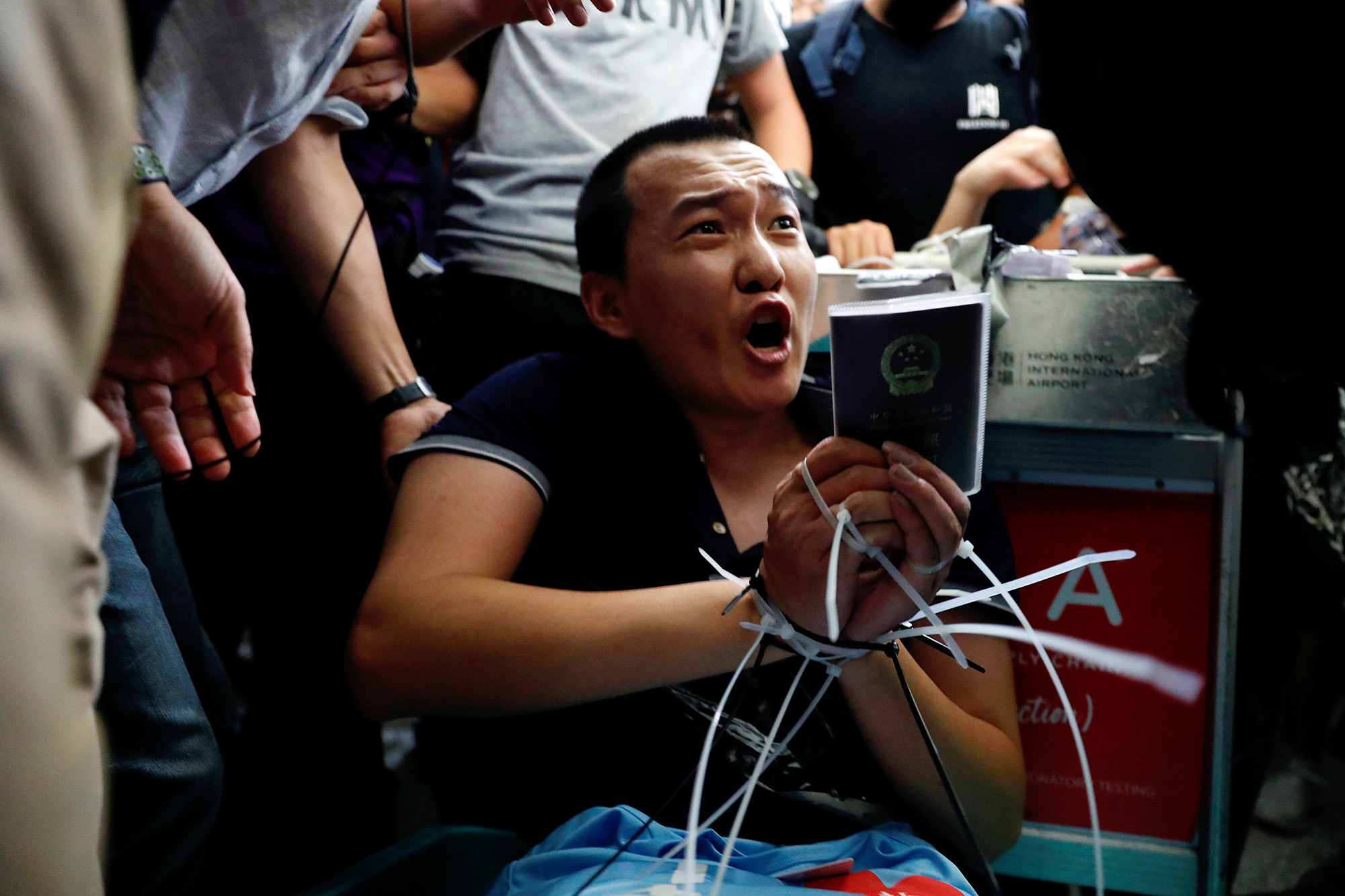
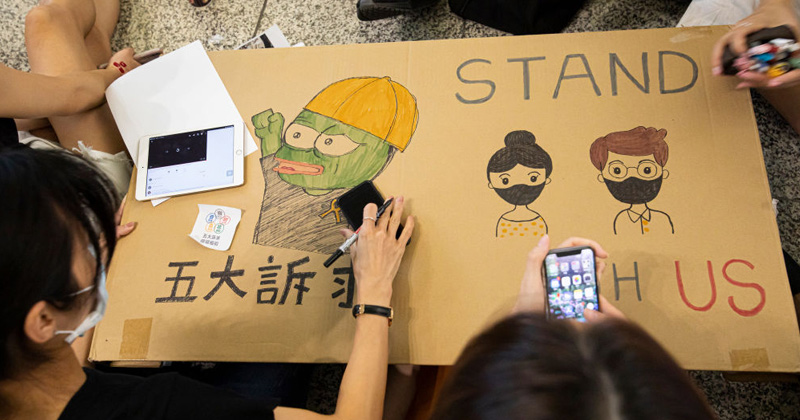
| Hong Kong protests get even uglier Posted: 13 Aug 2019 05:15 PM PDT
  | ||||||||||||||||||||||||||||||||||||||||||||||||||||||||||||||||||||||||||||||||||||||||||||||||||||||||||||||||||||||||
| FBI Scrambles As Rogue Drone Captures Epstein Raid Posted: 13 Aug 2019 04:13 PM PDT  | ||||||||||||||||||||||||||||||||||||||||||||||||||||||||||||||||||||||||||||||||||||||||||||||||||||||||||||||||||||||||
| Posted: 13 Aug 2019 02:29 PM PDT
  | ||||||||||||||||||||||||||||||||||||||||||||||||||||||||||||||||||||||||||||||||||||||||||||||||||||||||||||||||||||||||
| Todd and Julie Chrisley indicted by grand jury for tax evasion, other financial crimes: Report Posted: 13 Aug 2019 02:09 PM PDT
 | ||||||||||||||||||||||||||||||||||||||||||||||||||||||||||||||||||||||||||||||||||||||||||||||||||||||||||||||||||||||||
| Trump’s trade-war retreat only buys a little time Posted: 13 Aug 2019 01:53 PM PDT
  | ||||||||||||||||||||||||||||||||||||||||||||||||||||||||||||||||||||||||||||||||||||||||||||||||||||||||||||||||||||||||
| Couple bumped off flight denied compensation under new air passenger rules Posted: 13 Aug 2019 01:50 PM PDT
 | ||||||||||||||||||||||||||||||||||||||||||||||||||||||||||||||||||||||||||||||||||||||||||||||||||||||||||||||||||||||||
| EL MOUDJAHID : Lettre d'information du 14/08/2019 Posted: 13 Aug 2019 01:46 PM PDT  | ||||||||||||||||||||||||||||||||||||||||||||||||||||||||||||||||||||||||||||||||||||||||||||||||||||||||||||||||||||||||
| Hezbollah’s Allies Can Be Contained (Ghaddar | PolicyWatch 3164) Posted: 13 Aug 2019 01:22 PM PDT HEZBOLLAH'S ALLIES CAN BE CONTAINED by Hanin Ghaddar PolicyWatch 3164 The group's local partners balked when U.S. officials warned them to back off a recent political smear campaign, but more should be done to expose and exploit their rifts. On August 7, the U.S. embassy in Beirut released a statement calling for “fair and transparent judicial review” in Lebanon, noting that “any attempt to use the tragic June 30 event in [Qabrshmoun] to advance political objectives should be rejected.” Both the statement itself and the incident it referred to—a violent clash in which two Lebanese bodyguards were killed—highlight the manner in which Hezbollah and its political allies have been increasingly weaponizing sectarian tensions against their rivals. With Prime Minister Saad Hariri visiting Washington all this week and U.S. diplomats firing a shot across Beirut’s bow, a closer look at this trend and Washington’s options for stunting it is warranted. BASSIL’S CALCULUS Although the U.S. statement did not mention any Lebanese leaders by name, it was seen as a clear message to President Michel Aoun and Foreign Minister Gebran Bassil. Bassil is Aoun’s son-in-law and hopes to succeed him in the next presidential election cycle, maneuvering for which has already begun. Yet he has long understood that he cannot fulfill this dream without Hezbollah and Iran’s blessing—and that obtaining such approval will require him to become their favorite Maronite leader, since Lebanon’s presidency is automatically allotted to that Christian sect. Bassil has been delivering on that prerequisite so far. As foreign minister, he has not diverted once from Iran’s foreign policy preferences in Lebanon, such as supporting Hezbollah’s involvement in the Syrian war and echoing Tehran’s stance on international affairs and U.S. policy in the region. On domestic policy, he allied with Hezbollah during the 2018 parliamentary elections and has subsequently followed the group’s legislative lead. Bassil is also keen to boost his political strength against rival Joseph Aoun, the Lebanese Armed Forces (LAF) commander whose own candidacy became more serious following his recent visit to Washington. Knowing that the Trump administration will remain lukewarm toward him given his association with Hezbollah, Bassil decided to focus his efforts locally by going after Lebanese figures who could hamper his goals. The U.S. embassy warning has temporarily thwarted his pressure campaign, but he has not been weakened. More needs to be done to expose his alliance with Hezbollah, limit his sway in Lebanon, and protect Hezbollah’s local political rivals. The United States still has enough leverage with key Lebanese figures to do just that, especially while Prime Minister Hariri is in Washington. THE UNITED STATES BACKS JUMBLATT The main target of Bassil’s ire has been Druze leader Walid Jumblatt, who was subjected to a vicious political and legal assault for over a month leading up to the U.S. statement. On June 30, Jumblatt’s supporters clashed with rival Druze in Qabrshmoun, and two bodyguards working for a visiting Hezbollah-backed minister were killed under circumstances that are still under investigation. Bassil jumped at the opportunity, launching a targeted campaign to implicate Jumblatt in the deaths and accuse him of attempting to assassinate the minister. Hezbollah supported Bassil’s effort because weakening Jumblatt would greatly serve its own interests and those of Syrian dictator Bashar al-Assad. In a recent television interview, Hezbollah leader Hassan Nasrallah accused Jumblatt and other critics of conspiring against the so-called “axis of resistance.” Indeed, Jumblatt has been a staunch critic of the group and its Syrian regime ally since 2005, a stance he maintained when Hezbollah joined the war next door. This May, Jumblatt further incensed the group by arguing that the disputed Shebaa Farms area was Syrian territory, not Lebanese—a direct contradiction to one of Hezbollah’s main justifications for keeping its weapons. Jumblatt is also widely seen as a champion of Syrian refugees, whom both Nasrallah and Bassil are eager to deport. The campaign against Jumblatt resembled previous Iranian and Syrian attempts to brand their critics as traitors, thereby justifying their persecution. The strategy almost worked again. At the time of the June 30 incident, the government could not convene to address the matter immediately, but Bassil would have been satisfied with simply referring the case to the Judicial Council, a body controlled by Hezbollah and its allies. There, Hezbollah may have been able to use its influence to frame, convict, and sentence Jumblatt, perhaps destroying him politically and personally. Yet the firm U.S. embassy statement turned things around—it conveyed “in clear terms to Lebanese authorities our expectation that they will handle this matter in a way that achieves justice without politically motivated inflammation of sectarian or communal tensions.” Aoun and Bassil immediately backed down and agreed to reconciliation with Jumblatt’s camp, without any further mention of the Judicial Council. Political sources in Beirut have said that Washington also threatened to issue sanctions against figures within Bassil’s party, the Free Patriotic Movement (FPM). CONTAINING HEZBOLLAH The U.S. statement has put Bassil, Aoun, and Hezbollah’s camp in a difficult position while strengthening Jumblatt’s posture as a Druze leader and a national political figure. Hariri should hear the same clear and firm message in Washington this week. After all, it was Hariri’s political agreement with Bassil that brought Aoun to the presidency, cost Lebanon international support, and dragged it further under Iran’s influence. Since then, the prime minister has repeatedly compromised with Hezbollah’s camp, unconvincingly justifying his appeasement in the name of ensuring Lebanon’s security and boosting its ailing economy. Although the Sunni community punished him for this stance during the 2018 parliamentary elections, where he lost one-third of his parliamentary bloc, not even this setback has made him reconsider his alliances—he continues to work as the perfect cover for a government in which Hezbollah and its proxies hold majority control. Yet if Jumblatt keeps refusing to compromise with the group, and if Washington keeps backing this stance, Hariri may finally see that there are other options, and that he does not have to surrender Lebanon to Iran. The anti-Jumblatt campaign has been contained for now, but the June 30 investigation is now in the hands of the military courts, where Hezbollah has enough influence to buy time and resume its threats against Jumblatt. To help ensure that the case is handled fairly and transparently, the United States should use its aid to the LAF—around $2.29 billion since 2005—as leverage, since the military courts are part of the army. Meanwhile, the FPM and other Hezbollah allies should no longer be permitted to implement Iran’s agenda in Lebanon without consequences. When Bassil meets with U.S. officials or visits Washington, he often downplays his relationship with Hezbollah as a temporary alliance aimed at bettering his chances for the presidency, thereby avoiding U.S. sanctions. Back in Lebanon, however, FPM officials and media constantly denigrate U.S. policy and defend the legitimacy of Hezbollah’s weapons. To be sure, even if the threat of sanctions stops Aoun and Bassil from overstretching their power in Lebanon, it may not be enough to break their alliance with Hezbollah. Yet the same message may be more effectual with other Christian figures, including Aoun’s political camp and business community, who might reconsider supporting Bassil’s bid for presidency. Sanctions could also help limit Hariri’s acquiescence to Hezbollah and push him away from Bassil. More important, they could sway businesspeople from Amal and other Shia parties, who are already considering options to distance themselves from Hezbollah’s business community. If sanctions are implemented as part of a comprehensive U.S. policy aimed at exploring ways to restore political balance in Lebanon, then Hezbollah’s alliances and financial support base may truly be shaken. The best place to start is by exerting more pressure on Bassil’s partnership with Hezbollah, and not hesitating to levy sanctions when diplomatic attempts fall short. Hanin Ghaddar is the Friedmann Visiting Fellow in The Washington Institute's Geduld Program on Arab Politics. THE WASHINGTON INSTITUTE FOR NEAR EAST POLICY 1111 19TH STREET NW, SUITE 500 WASHINGTON, DC 20036 202-452-0650 202-223-5364 (fax) www.washingtoninstitute.org Copyright 2019. All rights reserved. Tweet this item. Follow us on Twitter. Follow us on Facebook.   | ||||||||||||||||||||||||||||||||||||||||||||||||||||||||||||||||||||||||||||||||||||||||||||||||||||||||||||||||||||||||
| Irish Surfing Photography, Video, Web Cameras & Classfield Ads Posted: 13 Aug 2019 01:20 PM PDT | ||||||||||||||||||||||||||||||||||||||||||||||||||||||||||||||||||||||||||||||||||||||||||||||||||||||||||||||||||||||||
| MyTown.ie - Irish Towns Online - MyTown.ie Posted: 13 Aug 2019 01:15 PM PDT
  | ||||||||||||||||||||||||||||||||||||||||||||||||||||||||||||||||||||||||||||||||||||||||||||||||||||||||||||||||||||||||
| HySafe - Safety of Hydrogen as an Energy Carrier Posted: 13 Aug 2019 12:45 PM PDT | ||||||||||||||||||||||||||||||||||||||||||||||||||||||||||||||||||||||||||||||||||||||||||||||||||||||||||||||||||||||||
| Posted: 13 Aug 2019 10:15 AM PDT
 | ||||||||||||||||||||||||||||||||||||||||||||||||||||||||||||||||||||||||||||||||||||||||||||||||||||||||||||||||||||||||
| Most Social: Whitney Cummings shares NSFW pic on Twitter after 'foolish dorks' attempt to extort her Posted: 13 Aug 2019 10:01 AM PDT
 | ||||||||||||||||||||||||||||||||||||||||||||||||||||||||||||||||||||||||||||||||||||||||||||||||||||||||||||||||||||||||
| Time to Change the UN’s Lebanon Policy (Orion | PolicyWatch 3163) Posted: 13 Aug 2019 10:01 AM PDT TIME TO CHANGE COURSE ON THE UN'S LEBANON POLICY by Assaf Orion PolicyWatch 3163 Serious change is required to avoid decisions that accommodate Hezbollah's ends, ways, and means, and a vital first step is to look at current policy mechanics with a clear eye. With this month marking the thirteenth anniversary of UN Security Council Resolution 1701 and the end of the 2006 Lebanon war, the council will soon hold its yearly debates about renewing the mandate of the UN Interim Force in Lebanon. Contrasting the Secretary General’s latest report on 1701 with thirteen years of lessons learned reveals a clear pattern: the victory of consciously false hopes over hard experience, particularly when viewed from Israel’s perspective. Breaking this pattern will require substantial changes to the force’s size, mission, and conduct. UNDERGROUND TUNNELS, ON-THE-GROUND REALITY From December 2018 to January 2019, the Israel Defense Forces’ Operation Northern Shield exposed Hezbollah’s secret cross-border tunneling project, a mainstay in the group’s plans for future offensives into Israel. Although the operation neutralized the tunnels and demonstrated Israel’s intelligence superiority over Hezbollah, it also provided irrefutable proof that the UN’s approach to Lebanon is broken. Time and again, when faced with Israeli “allegations” regarding such activity, the UN has professed that it is “not in a position to substantiate them independently,” preferring to remain in the dark instead. In the end, the IDF exposed, documented, and destroyed six tunnels, but the most the secretary-general’s July 17 report could say about the evidence was that “UNIFIL has verified the existence of five tunnels, three of which it confirmed crossed the Blue Line.” This short sentence encapsulates UNIFIL’s willful failure to detect a multi-year, multi-site, heavy-earthwork project that flagrantly violated UNSCR 1701 right under the noses of UN forces. On December 26, for example, UNIFIL commander Maj. Gen. Stefano Del Col personally witnessed liquid concrete gushing out of a “cement factory” in Kafr Kila, Lebanon, after it was pumped into a tunnel on the Israeli side of the border. He then “informed the Lebanese authorities...urging immediate follow-up action.” On March 15, President Michel Aoun “committed to launch an investigation.” On May 23 and again on June 3, Lebanese Armed Forces commander Joseph Aoun confirmed “that the LAF was taking action to gain access to the sites.” As of July 17, however, “UNIFIL still has not been able to access all relevant locations north of the Blue Line,” and the secretary-general was reduced to calling on the LAF “to expeditiously undertake and conclude all necessary investigations on the Lebanese side to...prevent any similar occurrences in the future.” He also asked “the Lebanese authorities and the LAF to make further efforts to ensure that UNIFIL is fully able to implement its mandate.” Tunnels are hardly the only issue on which the UN combines consciously false expectations with ready evidence of their futility. As in past documents stretching back to 2006, the July 17 report calls for “the disarmament of armed groups,” for the never-to-ripen “national defense strategy” dialogue, and for the long-awaited deployment of the “model regiment.” Even the most basic expectation—that Lebanon prosecute individuals who attack UN forces—is left dangling. On August 4, 2018, a group of twenty people attacked a UNIFIL patrol in the village of Majdel Zoun. A year later, Lebanese authorities still “have not provided an explanation as to why the conclusions of the LAF diverged significantly from those of UNIFIL. The UN has not been informed of criminal proceedings to date to bring the perpetrators to justice.” In response, the UN simply “continues to engage with the Lebanese authorities to request updates on this incident.” Efforts to conclude legal proceedings against other Lebanese individuals who attacked peacekeepers—in 2007, 2008, 2011, 2014, even as far back as 1980—have been just as fruitless. In addition, the July 17 report once again obfuscates the military reality in south Lebanon through a “UNIFIL by the numbers” approach, declaring that 10,292 troops have conducted “13,884 monthly operational activities” and “7,458 patrols” while maintaining “an operational footprint in all municipalities and villages in its area of operations.” Such figures give an impression of omnipresent effectiveness, but UNIFIL’s actual presence in Lebanon is largely holed up. The steep rise in operational tempo reported since summer 2017 accrued no distinguishable increase in findings, and the footprint of attacks and harassment against patrols sprawls all over the south. Worse yet, these clashes are largely papered over—by the time a field unit’s incident report completes its long route through numerous UNIFIL command levels, UNIFIL political advisors, the UN special coordinator’s office in Beirut, various departments at UN headquarters, and the secretary-general’s office, its details and significance are greatly reduced. Likewise, UNIFIL’s Maritime Task Force reportedly “hailed 2,765 vessels” in the past four months, “of which 801 were inspected and cleared by the Lebanese authorities”—numbers that seem impressive until one realizes that only one arms ship has been seized since 2006, and its cargo was destined for Syrian rebels rather than Hezbollah. Israel’s recent that Iran has been shipping weapons manufacturing equipment to Beirut suggest that UNIFIL’s robust hailing record is futile as long as final clearance is conducted by complicit Lebanese authorities. Yet the crowning jewel of untruth in the latest UN report rests in the following statement: “UNIFIL continued to assist the LAF in establishing an area between the Blue Line and the Litani River free of unauthorized armed personnel, assets, and weapons other than those belonging to the Government of Lebanon and to UNIFIL.” As the UN is fully aware, the LAF has done nothing to establish this monopoly of arms along the border with Israel. And since UNIFIL is admittedly assisting with whatever the LAF is actually doing in the south, the UN is supporting a Lebanese policy that endorses continued Hezbollah violations. Meanwhile, UNIFIL has called on the Israel Defense Forces “to suspend its construction works in the Lebanese ‘reservation’ area until an agreement [is] reached between the parties,” referring to portions of the Blue Line that Lebanon has disputed for years and blocked any substantive steps to demarcate or resolve. In other words, the UN has adopted Beirut’s narrative and claims, undermining its own duties as custodian of the Blue Line and calling Israel out for taking basic defensive measures along that frontier. CORRECTING COURSE Currently, the Lebanese government is part of the problem, not part of the solution. UNIFIL is blindfolded to collusion between its LAF host and Hezbollah, and unable to obtain justice when its forces are repeatedly attacked. This obstruction is perpetrated by Lebanon’s full national chain of command, from the president and the LAF commander down to the field level. The government has also regularly used “private property” claims over the past decade with the aim of blocking UNIFIL’s access to illicit Hezbollah military sites, including observation posts, rocket launching sites, arms depots, and attack tunnels. The UN has willingly respected these claims. How does one explain this policy of seemingly deliberate futility? Fearing Hezbollah attacks, UNIFIL and its contributing countries apparently prefer to bide time, sidestep problems, and obscure reality. They have also focused on cultivating Lebanese support by providing hundreds of jobs and funding local projects, even though such assistance only perpetuates Hezbollah’s emboldened violations. Changing this situation requires one to differentiate fact from fiction. In 2006, the authors of UNSCR 1701 rightly identified Hezbollah’s uncontrolled military presence in the south as the war’s main enabler and the most likely cause of future conflicts. Yet the mechanism proposed to remove this presence—Beirut’s commitment “to extend its authority over its territory through its own legitimate armed forces”—is no longer a valid premise for policymaking. With Iran’s help, Hezbollah and its political allies now dominate Lebanon’s government, completely undercutting Beirut’s willingness and ability to fulfill its commitments. Attentive to its political masters, the LAF will likewise keep perpetuating the problem if the current circumstances persist. Automatically and unconditionally renewing UNIFIL’s mandate while allowing it to continue providing funding and jobs in Lebanon will never push the government out of its comfort zone, and years’ worth of generous and unconditioned aid to the LAF has only exacerbated the situation. Accordingly, UNIFIL is past due for a thorough policy review and changes, based on the following principles and actions: Prevent war. The only way to stave off another destructive conflict in Lebanon is to address Hezbollah’s military violations and hold it accountable. UNIFIL’s liaison and de-escalation functions—including the tripartite mechanism—can help meet this goal. Promptly address pending security issues. The UN should demand immediate UNIFIL access to all tunnel-related sites. It should also demand that Beirut provide the names of all assailants who carried out the Majdel Zoun attack on its forces, as well as immediate, time-limited legal proceedings against them. Stop “business as usual.” More generally, UNIFIL should demand immediate, unimpeded access to all relevant sites in its area of operations, total freedom of movement sans LAF escort, and absolute cessation of all aggression and harassment against its patrols. Uphold UN responsibilities against Lebanese pretexts. All Lebanese “private property” claims that prevent full UNIFIL access should be flatly revoked. The UN should also insist on the Blue Line’s integrity in its entirety, regardless of Lebanese “reservations” seeking to undermine it. These reservations will be addressed in future border talks between Lebanon and Israel. Stop appeasing Hezbollah. UNIFIL should stop funding projects and hiring workers in areas where its patrols are harassed or attacked. Cutting funds for communities that support Hezbollah would have the added benefit of increasing financial pressure against the organization. Enhance UNIFIL’s transparency. Detailed geo-reporting and chronological analysis would help illustrate how UNIFIL’s military activities and civilian projects are being conducted right alongside areas where Hezbollah’s preponderant forces operate. Beef up UN documentation. UN reports should provide updates on all cases awaiting closure by Lebanese authorities, not just cases from the latest reporting period. Downsize UNIFIL. Despite hopes of improved UNIFIL performance, the force’s current size will never translate into efficacy given Hezbollah’s local dominance and the UN’s general risk aversion. UNIFIL’s current performance, measured by effect rather than effort, could be met with a 3,000-strong force and a robust liaison branch. The larger the force, the more likely UN troops are to serve as Hezbollah’s human shields in one of the world’s densest and deadliest conflict zones. A simple first step would be to lower UNIFIL’s size cap from 15,000 troops to its actual current size, around 10,000. Next would be a 10-20 percent reduction—perhaps the removal of 1,000-2,000 troops, one naval vessel, and $60-120 million in budget. Further cuts should be made over time depending on Lebanon’s fulfilment of commitments and UNIFIL’s safety and freedom. This dynamic would help the international community regain some leverage over Beirut while increasing pressure on Hezbollah. UNIFIL may gradually proceed toward a 60-70 percent cut, leaving it with 3,000 troops and a $180 million budget. Retool LAF assistance and consider targeted sanctions. Given the realities of UN bureaucratic inertia and power structures, rallying support for these recommendations may be easier to do bilaterally with officials in the United States and, perhaps, Europe. Moreover, real change means reshaping not just UNIFIL, but international policy toward Hezbollah and the LAF. More nations need to follow the U.S. and British example of designating Hezbollah as a terrorist organization. The supposed environmental NGO “Green Without Borders”—a known facade for Hezbollah military operations—should be designated and sanctioned as well. As for the LAF, even UN reports show how Lebanese commanders, units, and organs are deeply complicit with Hezbollah. Foreign officials may therefore wish to consider whether the recent U.S. designation of Iran’s Islamic Revolutionary Guard Corps is a worthwhile model for portions of Lebanon’s military. There is already sufficient evidence to sanction LAF Military Intelligence and certain individual officers for their affiliation with Hezbollah. At the very least, international support for the LAF should refocus on border security and counterterrorism, and aid should be conditioned on performance and personnel vetting. Thirteen years’ worth of observation and practice is more than enough to recognize the system’s glaring flaws and the best means of fixing them. UNIFIL and the LAF can both be part of the solution, but only if they are dislodged from their current symbiosis with Hezbollah. Brig. Gen. Assaf Orion, IDF (Res.), participated in the IDF-UNIFIL-LAF tripartite mechanism between 2006 and 2008. He also headed the IDF delegation to the tripartite talks between 2010 and 2015. THE WASHINGTON INSTITUTE FOR NEAR EAST POLICY 1111 19TH STREET NW, SUITE 500 WASHINGTON, DC 20036 202-452-0650 202-223-5364 (fax) www.washingtoninstitute.org Copyright 2019. All rights reserved. Tweet this item. Follow us on Twitter. Follow us on Facebook.   | ||||||||||||||||||||||||||||||||||||||||||||||||||||||||||||||||||||||||||||||||||||||||||||||||||||||||||||||||||||||||
| Breaking Report Reveals Epstein Was Murdered Posted: 13 Aug 2019 09:38 AM PDT Tune into the Live Show
 | ||||||||||||||||||||||||||||||||||||||||||||||||||||||||||||||||||||||||||||||||||||||||||||||||||||||||||||||||||||||||
| Posted: 13 Aug 2019 08:34 AM PDT
                     | ||||||||||||||||||||||||||||||||||||||||||||||||||||||||||||||||||||||||||||||||||||||||||||||||||||||||||||||||||||||||
| Apache2 Ubuntu Default Page: It works Posted: 13 Aug 2019 08:05 AM PDT
 | ||||||||||||||||||||||||||||||||||||||||||||||||||||||||||||||||||||||||||||||||||||||||||||||||||||||||||||||||||||||||
| شاهد لحظة اعتقال مسلح طعن امرأة وطارد المارة وسط سيدني وهو يصرخ "الله أكبر" "اقتلوني" Posted: 13 Aug 2019 07:58 AM PDT
 | ||||||||||||||||||||||||||||||||||||||||||||||||||||||||||||||||||||||||||||||||||||||||||||||||||||||||||||||||||||||||
| Posted: 13 Aug 2019 06:09 AM PDT
 | ||||||||||||||||||||||||||||||||||||||||||||||||||||||||||||||||||||||||||||||||||||||||||||||||||||||||||||||||||||||||
| Posted: 13 Aug 2019 06:08 AM PDT  Tuesday, August 13, 2019Must-reads from across Asia - directly to your inbox
 
 | ||||||||||||||||||||||||||||||||||||||||||||||||||||||||||||||||||||||||||||||||||||||||||||||||||||||||||||||||||||||||







































| You are subscribed to email updates from Maroc Top Trend. To stop receiving these emails, you may unsubscribe now. | Email delivery powered by Google |
| Google, 1600 Amphitheatre Parkway, Mountain View, CA 94043, United States | |

No comments:
Post a Comment