24hespress |
- BREAKING NEWS: U.S. coronavirus cases top 1,000
- Bachelor finale shocker! After tears and a blow-out fight, Peter Weber reunites with [SPOILER]
- BREAKING NEWS: Trump endorses Sessions' opponent in Alabama Senate primary
- How coronavirus kills
- Biden wins Michigan primary
- Biden wins Mississippi, Missouri as first polls close Tuesday
- A different contagion
- Alberta staked its budget on the price of oil. What happens now?
- Watch LIVE: Primary election coverage and results on CBSN
- Turkey’s Imperial Foreign Policy (Cagaptay | Bosphorus Review)
- A coronavirus recession will be tricky to fight
- BREAKING NEWS: House leaders strike deal to renew surveillance law
- BREAKING NEWS: Sanders cancels evening event due to coronavirus fears
- Federal prosecutor kills wife and himself in apparent murder-suicide in California
- It's not too late. Get one year for $29.
- Municipales - J-5 : quels enjeux pour votre commune ?
- BREAKING NEWS: Judges rule Democrats should get Mueller evidence
- NEWS ALERT: Biden gets in heated exchange over gun control: 'You're full of s---'
- ما حقيقة إصابة ترامب بفيروس كورونا؟
- Tuesday Morning Briefing: Streets deserted as Italy imposes unprecedented coronavirus lockdown
- المغرب يعلن تسجيل أول حالة وفاة بسبب فيروس "كورونا" المستجد
- A day without women in Mexico
- من ديوان
- Trump vows 'major' steps to aid U.S. economy amid coronavirus rise
- How To Entirely Empty Your Bowels Every Morning - Top Surgeon Explains How
| BREAKING NEWS: U.S. coronavirus cases top 1,000 Posted: 10 Mar 2020 08:33 PM PDT More than 1,000 people in the United States have been diagnosed with the novel coronavirus, according to an unofficial count compiled by researchers at Johns Hopkins University. The 1000th case was reported Tuesday night. The numbers have risen rapidly since health authorities announced the first community-spread case in California on Feb. 26. See https://politi.co/39G35Oz for full coverage. To change your alert settings, please go to https://secure.politico.com/newsletter-settings This email was sent to kamal.sahim5.news@blogger.com by: POLITICO, LLC 1000 Wilson Blvd. Arlington, VA, 22209, USA  Please click here and follow the steps to unsubscribe.  | ||||||||||||||||||||||||||||||||||||||||||||||||||||||||||||||||||||||||||||||||||||||||||||||||||||||||||||||||||||||||||||||||||||||||||||||||||||||||||||||||||||||||||||||||||||||||||||||||
| Bachelor finale shocker! After tears and a blow-out fight, Peter Weber reunites with [SPOILER] Posted: 10 Mar 2020 07:53 PM PDT
 | ||||||||||||||||||||||||||||||||||||||||||||||||||||||||||||||||||||||||||||||||||||||||||||||||||||||||||||||||||||||||||||||||||||||||||||||||||||||||||||||||||||||||||||||||||||||||||||||||
| BREAKING NEWS: Trump endorses Sessions' opponent in Alabama Senate primary Posted: 10 Mar 2020 07:07 PM PDT President Donald Trump endorsed former Auburn University football coach Tommy Tuberville for Senate in Alabama, backing Tuberville over his former attorney general, Jeff Sessions, in this month's GOP primary runoff. Tuberville "is a REAL LEADER who will never let MAGA/KAG, or our Country, down!" Trump tweeted Tuesday night. Trump fired Sessions as attorney general in Nov. 2018, after lengthy criticism of Sessions for recusing himself from the Justice Department's Russia investigation. To change your alert settings, please go to https://secure.politico.com/newsletter-settings This email was sent to kamal.sahim5.news@blogger.com by: POLITICO, LLC 1000 Wilson Blvd. Arlington, VA, 22209, USA  Please click here and follow the steps to unsubscribe.  | ||||||||||||||||||||||||||||||||||||||||||||||||||||||||||||||||||||||||||||||||||||||||||||||||||||||||||||||||||||||||||||||||||||||||||||||||||||||||||||||||||||||||||||||||||||||||||||||||
| Posted: 10 Mar 2020 06:31 PM PDT
  | ||||||||||||||||||||||||||||||||||||||||||||||||||||||||||||||||||||||||||||||||||||||||||||||||||||||||||||||||||||||||||||||||||||||||||||||||||||||||||||||||||||||||||||||||||||||||||||||||
| Posted: 10 Mar 2020 06:09 PM PDT Joe Biden has won the Michigan primary, dealing a major blow to Bernie Sanders in one of the key states behind Sanders' political rise. Biden had 53 percent of the Democratic primary vote when The Associated Press called Michigan with one-third of precincts reporting. Sanders had 41 percent support. Michigan, which Sanders won in an upset over Hillary Clinton in 2016, has 125 pledged delegates — the largest total out of six states voting Tuesday. See live results here. Check out our live chat here. And read more of the latest news here. Earlier on primary night: — Biden won Mississippi and Missouri. To change your alert settings, please go to https://secure.politico.com/newsletter-settings This email was sent to kamal.sahim5.news@blogger.com by: POLITICO, LLC 1000 Wilson Blvd. Arlington, VA, 22209, USA  Please click here and follow the steps to unsubscribe.  | ||||||||||||||||||||||||||||||||||||||||||||||||||||||||||||||||||||||||||||||||||||||||||||||||||||||||||||||||||||||||||||||||||||||||||||||||||||||||||||||||||||||||||||||||||||||||||||||||
| Biden wins Mississippi, Missouri as first polls close Tuesday Posted: 10 Mar 2020 05:03 PM PDT Joe Biden notched a pair of quick wins to start Tuesday's primaries, as six more states vote in the Democratic presidential race. The Associated Press called Mississippi and Missouri for Biden as the polls closed at 8 p.m. Eastern, using exit poll data. Mississippi has 36 pledged delegates at stake and MIssouri has 68. Idaho, Michigan, North Dakota and Washington are also voting on Tuesday, with Michigan, the biggest delegate prize, garnering the most attention on the campaign trail. Biden and Bernie Sanders have both campaigned there in recent days. See live results here for Mississippi and Missouri. Follow our live chat for analysis from POLITICO reporters and check out the latest news here. To change your alert settings, please go to https://secure.politico.com/newsletter-settings This email was sent to kamal.sahim5.news@blogger.com by: POLITICO, LLC 1000 Wilson Blvd. Arlington, VA, 22209, USA  Please click here and follow the steps to unsubscribe.  | ||||||||||||||||||||||||||||||||||||||||||||||||||||||||||||||||||||||||||||||||||||||||||||||||||||||||||||||||||||||||||||||||||||||||||||||||||||||||||||||||||||||||||||||||||||||||||||||||
| Posted: 10 Mar 2020 02:58 PM PDT
  | ||||||||||||||||||||||||||||||||||||||||||||||||||||||||||||||||||||||||||||||||||||||||||||||||||||||||||||||||||||||||||||||||||||||||||||||||||||||||||||||||||||||||||||||||||||||||||||||||
| Alberta staked its budget on the price of oil. What happens now? Posted: 10 Mar 2020 02:07 PM PDT
 | ||||||||||||||||||||||||||||||||||||||||||||||||||||||||||||||||||||||||||||||||||||||||||||||||||||||||||||||||||||||||||||||||||||||||||||||||||||||||||||||||||||||||||||||||||||||||||||||||
| Watch LIVE: Primary election coverage and results on CBSN Posted: 10 Mar 2020 02:02 PM PDT
  | ||||||||||||||||||||||||||||||||||||||||||||||||||||||||||||||||||||||||||||||||||||||||||||||||||||||||||||||||||||||||||||||||||||||||||||||||||||||||||||||||||||||||||||||||||||||||||||||||
| Turkey’s Imperial Foreign Policy (Cagaptay | Bosphorus Review) Posted: 10 Mar 2020 02:01 PM PDT TURKEY'S IMPERIAL FOREIGN POLICY: VISION VS. REALITY Featuring Soner Cagaptay Bosphorus Review of Books A deep dive into the evolution of Erdogan's regional approach and how it informs the current crises in Syria and other hotspots. The following is an interview with Washington Institute fellow Soner Cagaptay, conducted by Luke Frostick of the Bosphorus Review of Books. Among other topics, they discuss Soner’s latest book Erdogan’s Empire, Turkey’s recent standoff with Russia in Syria, and how the foreign policy successes and failures of the AKP era are influencing current developments. Luke: I’d like to start by asking you about the purpose of your book. Obviously it provides a lot of information, but the main aim I feel you’re driving towards is to push back against those who say that the West should pull back from Turkey and be more supportive of nations like Egypt or Saudi-Arabia. Soner: The context of it is that Erdogan’s Empire: Turkey and the Politics of the Middle East is the last book in a trilogy I’ve been writing about Turkey under Erdogan in the 21st century. The first book in this trilogy was The Rise of Turkey: The Twenty-First Century’s First Muslim Power published in 2014, mostly a positive story that I wanted to tell, of Turkey’s economic transformation under Erdogan. That book ended with a recognition of how Erdogan lifted many people out of poverty. The fact I like most from that book is that when he came to power, the infant mortality rate in Turkey was comparable to that of pre-war Syria. Now, it is comparable to Spain. The main reason—until recently—why he won so many elections was because Erdogan provided economic growth, and the now slowing economy is the primary reason he has lost Istanbul and other key cities in 2019 local elections. Going back to the early part of the 2010s, and at the end of The Rise of Turkey, I gave Erdogan some homework. I said, “Mr Erdogan, well done—you have transformed Turkey economically, now please transform it politically. Draft a new liberal democratic constitution that provides for freedom of religion for Turkey’s ‘pious half’ and freedom from religion for its ‘secular half.’ Thus, releasing the country from its perennial religious-secular dispute. And resolve the Kurdish issue by granting broad individual and cultural rights to the county’s citizens through the same constitution.” This, I argued—and still believe—is how Turkey can put an end to its self-consuming disputes, subsequently allowing Ankara to focus its energy externally on becoming a foreign policy power. I don’t think Erdogan read my book! So I wrote The New Sultan: Erdogan and the Crisis of Modern Turkey, which is the story of Turkey’s sharp political polarization, which was, for the most part, driven by Erdogan’s nativist-populist tactics. That was published in 2017. Erdogan’s Empire, covering Ankara’s foreign policy in the 21st century, is the third book in the series after the domestic and economic pieces. Your question leads me to look at my conclusions in Erdogan’s Empire regarding where Turkey is heading in terms of its foreign policy: the three “trajectories” that I set out in this volume. But, before that let me explain what I tried to do in this book; my goal was to set out Erdogan’s foreign policy with the background of the trends and historic drivers of Turkish and Ottoman history and foreign policy-making process. He is, in some ways, very similar to the country’s leaders, from the sultans of the 19th century to the presidents of the 20th century in the sense that he is trying to revive Turkey as a great power—as did the country’s late sultans and 20th century presidents, who westernized the Ottoman Empire and Turkey in order to make it a great power in the mold of European states—great powers of the 19th and 20th centuries. Yet, in some ways he is very different because he is also a nativist-populist leader, who has a self-professed agenda of making Turkey great again—without delay and on his own clock. We should note that this idea resonates strongly with Turkey’s electorate. The reason for that being the memory of the fallen Ottoman Empire is quite fresh in contemporary Turkey. The Romans used to measure time in something called saeculum, which means the number of years between an event happening and all the people who remember that event dying. The Turkish republic is not one saeculi old by that definition. Coupled by the end result of dramatic economic growth he delivered in the last decade; the growing perception that Turkey did not need to be a “small power folding under Europe,” but rather one that could become a star-power state in the Middle East. Erdogan’s message, therefore resonated quite strongly in the country. In Erdogan’s Empire, I studied how this message turned into a stratagem and how the Arab uprisings opened an opportunity for Erdogan to launch regional power initiatives in the Middle East and beyond. Subsequently, I looked at the problems and challenges that these initiatives have created and therefore Erdogan’s Empire is a final “report card” for Erdogan in the sense in the trilogy I have completed on Turkey under Erdogan, his record regarding the economy, as highlighted in The Rise of Turkey gets him an “A- pending review.” It is “pending review” because right now the economy is not great, but overall it is a quite impressive result, by whatever indicator you look at. On democracy, taking into account his record in The New Sultan, using system of “pass or fail,” I give him “fail.” And on foreign policy, I give him an “incomplete” grade. He has tried really hard to make Turkey a stand-alone regional power having influence in the Middle East and over Muslim-majority nations; but this hasn’t really worked. In this regard, in Erdogan’s Empire I looked at why it didn’t work, including missteps in Syria and across the Arab uprisings. To frame this better, let me provide a scene setter from one of the chapters, namely his swearing in ceremony in 2018—it is the height of his career, for all intents and purposes. He is about to become the “first sultan” of Turkey’s second republic, and who is attending to say, “congratulations my friend president Tayyip?” Not a single head of state of a NATO or EU member country, except for Bulgaria (Erdogan has a special relationship with that country’s leader). Overall, the “West” is not there. That means that Turkey can no longer take its traditional friends in the West for granted. Ankara is, therefore, isolated and alienated in many cases, especially when it comes to how it sees the West and how the West sees it—the West’s reticence to come to Turkey’s help in Idlib is a case in point. To make things worse for Erdogan’s imperial vision, there were also no heads of state or monarchs of Middle Eastern countries at his swearing in ceremony—except for the emir of Qatar. The irony is that under Erdogan, just as Turkey has lost its traditional ties to the West, it can’t claim to be a Middle Eastern power either. What is more, Putin is not there to wish him well at the pinnacle of Erdogan’s career, and neither are heads of state from Iran or China. So clearly this is not the “empire” that Erdogan promised he would establish, one that is respected by the West, followed in the Middle East, and seen as a counterpart by Russia, Iran, and China… But to be fair to Erdogan, he does have an “empire.” Represented in his big ceremony were leaders of Western Balkan, Caucasus, and Central Asian states, and also countries of east and west Africa. Also speaking to Turkey’s new-found stature as a country that speaks for the global south, presidents of Venezuela, Equatorial Guinea, and Zambia were there. Africa is where Erdogan really deserves credit. He has invested in the continent’s countries Turkey’s aid agencies, flag-carrier airline, and foreign ministry have successfully devoted themselves to establishing influence across Africa. About a dozen African countries, from Somalia to Senegal, are—for the time being—part of Erdogan’s “empire”, where he is completing for influence with the French and others. Turkish influence in the Balkans is partly his success and partly not. My colleague Nick Danforth and I both like maps we used one to explain Turkey’s influence in an op-ed we have published in the Washington Post. We write that Turkey has natural influence in the “Bayram Belt” countries, bayram being the Turkish word for Muslim high holidays, and also the word used by Eurasian countries ruled by the Ottomans, or those which have historic and linguistic ties with the Turks. Most Muslims call their high holiday eid by its Arabic name, and hence from Morocco to Indonesia it is eid, but from Croatia to Kazakhstan across Eurasia it is bayram. It is not an accident that the Balkan and Central Asian states where Erdogan does have influence are also “Bayram Belt” countries, where Turkish Islam is the familiar form and where historic and ethnic connections to Turkey run deep. But of course that “empire” in the Balkans and across Eurasia (and in Africa for that purpose) really depends on whether Ankara can continue to be seen as the “rich uncle” who comes and gives. So far, Ankara has been doing this in terms of aid and prestige that it has been providing, but if Turkey’s economy is not doing well then Erdogan will have a tough time maintaining this empire. The state of the Turkish economy is key to Erdogan’s foreign policy trajectory. Luke: There is a certain irony in the Central Asian case, in that Erdogan can be described as a Neo-Ottomanist, but those Central Asian states were never part of the Ottoman Empire in fact it is more of a Young Turk thing to think about Pan-Turkism as an area of influence. That is how Enver Pasa ends up dying trying to build a Turkish empire in Central Asia. Let’s take a step back because you explain that as neo-Ottomanism. Does Erdogan really believe in the ideology or is it more of a Davutoglu thing? Soner: There are a few terms I don’t necessarily like using when discussing Turkey because I think these catch-all phrases often dumb down this complex country. The first is: “white Turks,” a catch all and popular term in the 2000s, which made it sound like Turkey was a country of 5 percent seculars opposing Erdogan (i.e. “white Turks”) vs. 95 percent pious supporting Erdogan, but we have seen over and over in elections that it is indeed 50 percent vs. 50 percent—nobody’s “white” in Turkey; but that everybody is in fact grey. That term “deep state” was also thrown around a lot in 2000s, when Erdogan was busy undermining democratic checks and balances. He said at the time that democratic check and balances, such as courts and media, were part of a “deep state” structure that had to bend to his power...The third term is: neo-Ottoman. What Erdogan was trying to do—to the extent that he is an Ottomanist, that is where his former foreign minister and prime minister Ahmet Davutoglu comes in—is that he was trying to revive Ottoman greatness, but only in the sense that he was trying to do what late Ottomans did, who themselves were trying to revive Ottoman greatness of the 16 and 17th centuries. The Young Turks and the late Ottoman sultans ruled the empire following a long decline of Ottoman power that started in the 18th century. In this period, the Young Turks made mistakes, such as siding with Germany in World War One, hoping that this strategy would help restore Ottoman power, and also extend its influence towards Central Asia. I think the Young Turks followed ill-thought and ill-executed policies, and that is how I see Ankara’s Syrian policy today to a large extent. Davutoglu served as the intellectual brain behind Syria policy, and Erdogan as its executor. Here is where I think Davutoglu got it mostly wrong. Ankara’s Syria policy was ill-conceived because it put Turkey against two powers, namely Russia and Iran, both of which happen to back the Assad regime. And guess what? Of Turkey’s dozen neighbors, including maritime neighbors across the Black Sea, there are only two that really matter for the country historically: Iran being a competitor, and Russia a nemesis for the Turks. The story of the rise of the Russian Empire is, in my view, the decline of the Ottoman Empire told in reverse. Meaning many of the lands that were Ottoman until the 19th century were occupied by Russians or were helped towards independence by Russia; for example, the Balkan States. The Russians played a significant role in breaking up the Ottoman state, and have been Turkey’s nemesis for centuries. The saying in Turkish is that, “If you scratch a Turk, you get a Circassian.” A cultural reference to the millions of Turks and Muslims, including Circassians, expelled by Russia to the Ottoman Empire from around the Black sea, the Caucasus, and Crimea. I counted, when I wrote Erdogan’s, Empire, nearly a dozen and a half major campaigns that the Russians and Turks have fought throughout history. The Russians started all of them and guess who won all of them? Though the Ottomans won individual battles, overall, the Russians won all of these wars! So how ill-conceived is the Syrian campaign that has pitted Turkey against Russia, without securing firm and long-term U.S. or NATO backing? Without U.S. or NATO support, there could never be an internationally-sanctioned intervention, or even a resolution in the UN to oust Assad. Failing to take into account that Russia is a UN Security Council member, and that through its support for anti-Assad rebels, Turkey would be confronting its historic nemesis in Syria—and with no U.S. backing—all point at an ill-conceived policy in Syria. The policy has also been ill-executed because Turkey has failed to build up significant proxies in Syria. It has also failed to reach across diverse sections of Syrian society. Turkey’s leverage there is mostly among rural Sunni Arabs in the north. Ankara has sadly failed to build bridges with Kurds, Christians, secular Sunnis, urban Sunnis, Druze, and Alevis in Syria, or the country’s broader south. I think that Erdogan’s bias from the very beginning was towards the Muslim Brotherhood, which represents a minority faction in Syria. The group was perhaps stronger in Syria’s north, bordering Turkey, but was nevertheless a minority. Ankara’s Syria policy has simply been ill-planned; putting all of Turkey’s “money” behind one horse in this political game resulted in Ankara’s failure to achieve its key goals in Syria. Erdogan recognized this in early 2016—I think this counts among the reasons why he fired Davutoglu then. (I know that at the time Davutoglu was trying to visit the White House, when Erdogan himself was having a hard time getting an invitation to Washington, and Davutoglu also took credit for the Turkey-EU deal on refugees of the same year, which angered Erdogan). Firing Davutoglu allowed Erdogan to pivot in Syria, i.e. start making deals with the Russians and make ad hoc bargains with Putin there. Hence, Davutoglu’s exit…Subsequently, Erdogan re-calibrated Turkey’s Syria policy. Until this point, Ankara’s priorities in Syria had been: ousting Assad, and then defeating the People’s Protection Forces (YPG). Defeating ISIS had been the third one. Erdogan turned things around and now defeating the YPG became the primary goal, and Assad dropped down. Luke: In your book you show that Erdogan and Davutoglu come up with two basic principles for operating round the world: “Strategic Depth” and “Zero Problems with Neighbors.” From the surface they seem like pretty sensible guiding principles for Turkey to build policy on. Were they flawed from the beginning or was it bad implementation. Soner: Yes. Davutoglu failed to take into account the way Turkey’s Arab neighbors see Turks, at least in part driven by 20th century nationalist Arab historiography, is much like the way Greeks see Turkey—as a former foreign overload. I think that Davutoglu was under the impression that this was not the case with the Arabs. He may have convinced Erdogan that Arabs would welcome the return of Turkish power. I would say that was very much mistaken. Davutoglu views the Ottoman legacy from the perspective of the Turks, not from the perspective of nations once ruled by the Ottomans. Davutoglu’s plan was not one that was predicated on equal partnerships, but rather on Turkey reaching out to Arab capitals, building influence over them, and then having them follow its lead. We saw that that this clearly didn’t happen. Then, during the Arab uprisings, his mistake tactically was to put all Ankara’s “money” behind the Muslim Brotherhood—as he (and Erdogan) also did in Syria. This resulted in ruin. The Brotherhood is a power, but it not the only power in Arab-majority countries. And for Turkey, I think it was shortsighted to support only the Brotherhood during Arab uprisings. Now, nobody could have predicted in 2011 that the Brotherhood was going to rise and fall so fast. But as avid and canny practitioners of statecraft Erdogan and Davutoglu, should have played it safer and put some capital behind other forces in Arab uprisings. That they didn’t do this; and in the end when the Brotherhood lost, Turkey lost almost everything in Arab-majority countries. The Iranians have done almost the opposite. I think that they are very good at supporting competing players in the same country. Turkey invested all its energy behind the Brotherhood. If the Brotherhood had won, Turkey would have won big, but because the Brotherhood lost, it lost almost everything. It got kicked out of Egypt. To this day, Turkey doesn’t recognize Sisi’s government in Cairo, and Sisi is doing everything to undermine Turkey including his war in Libya. Of course Sisi’s regional backers, UAE and Saudi Arabia also contest Turkey’s policies. That is why I think using that scene setter of Erdogan’s 2018 swearing in ceremony in Erdogan’s Empire, I can conclude that Turkey has not lost its traditional friends in the West, but it has also failed to make any powerful allies in the Middle East. Lets’ then summarize regarding Erdogan’s Middle East report card: Turkey’s Syria policy pitted Turkey against Assad and his regional backers that is Tehran and Hezbollah, the latter of which controls much of the government in the Lebanon, that is three losses: Iran, Lebanon, and Syria. Turkey’s Muslim Brotherhood policy cost Ankara Egypt and Gulf Cooperation Council (GCC) members and their allies across the Arab world. Also ties with Iraq came undone as result of rising Iranian influence in Baghdad and Ankara’s staunch to Sunni Arabs in that Iraq’s north. That is why Turkey is left only with Qatar. It is hard to speak of this outcome as a foreign policy success. That is why I give Erdogan “Incomplete” in foreign policy. He tried very hard, but his policies, mostly ill-conceived and ill-executed, failed. Luke: In your book, you refer to the grouping of Saudi Arabia and GCC members as the “Bloc” I believe. Soner: That is correct. Luke: And I think there is another irony there, Erdogan in his rhetoric often talks about enemies trying to undermine the Turkish state, and as a result of his policy, now there is a real enemy looking to undermine Turkish policy round the world. Going forward how does the existence of this block change Turkish foreign policy in the near to mid future? Soner: So the Bloc is basically a grouping of countries, i.e. Egypt, GCC members and their allies, that has made life very difficult for Turkey. It often lobbies at the UN and in Washington against Turkey. Luke: You see think-pieces columnists writing that sort of stuff turning up already. Soner: Occasionally, yes. Then, there is the issue of UAE’s and Saudi’s reach within the White House. Also, these countries can rally most Arab-majority countries to align with them against Turkey issues. Finally, often times when one flips a stone, one sees UAE under it, putting Turkey into trouble. For example, in Libya there are many reasons why Turkey is invested in the Tripoli government. Firstly, Turkey has a significant economic footprint in Libya: Ankara is still waiting for payment for their contracts that were made under Gaddafi. But, there is also a proxy war in Libya between the GCC “Bloc” and the Turkey-Qatar “Axis.” The fact that despite the Russian-coordinated agreement for a ceasefire, UAE has not stopped supporting Haftar shows how badly the Bloc wants to humiliate Erdogan and undermine Ankara. Then of course that opens the Pandora ‘s Box in the sense that it makes UAE a de-facto ally of Greece in the Eastern Mediterranean. As a result of Erdogan’s foreign policy, which has led to Turkey’s near isolation, Ankara’s neighbors are coming in formations of blocks against Turkey. Enter the East Med block composed of Greece, Cyprus Israel and Egypt. These countries are carrying out daily engagements in security, energy and natural gas cooperation—always to the exclusion of Turkey. That seems to be boxing Turkey in. To break this isolation Ankara has decided to support the internationally-recognized Tripoli government in Libya. Turkey has accordingly signed maritime treaties with Tripoli. Turkish-Libyan maritime contact allows Ankara to pierce the Greek-Cypriot-Egyptian-Israeli bloc in the Eastern Mediterranean, as Turkey sees it. That, in return, makes it even more important for the UAE to ensure that Haftar wins the war in Libya, because that eventuality would help the UAE to undermine Turkey in the Eastern Med. Yet, Erdogan knows that if Tripoli fell, the first thing Haftar would do would be to rip up the Turkish-Libyan maritime treaty. Which would mean Turkey and Libya would not be maritime neighbours, which would mean Turkey would indeed be blocked in the Eastern Med. So I think the next stage of the proxy war between Turkey and its adversaries is going to be Libya. In the absence of U.S. leadership to tell all the sides fighting there to stop, Putin’s desire to act as both the arsonist and the firefighter in conflicts, will allow Russia a bigger role in Libya, and that conflict could become even more bloody and brutal. Putin’s roll is very interesting, Luke. In Libya he provided Haftar support that gave the latter critical advantage in becoming a mortal threat to Tripoli. Before Putin came in, it looked like there was a stasis in Libya’s war and neither side could win conclusively. Putin provided Haftar with the ability to fight at night and also shoot down Turkish drones. He also gave Haftar with snipers and mercenaries, also known as “Wagner’s Army,” a significant asset. Suddenly, it looked like Tripoli was going to fall. But, Tripoli cannot fall from Ankara’s perspective for the reasons that I have explained above. So what Erdogan did was to go to Putin and say, “Can we please have a deal?” Putin, now the firefighter, responded, “Yes of course we can have a deal. But on my terms here and in Syria.” Let’s walk through the steps that brought us here; first, Putin, acting as the arsonist, supports Haftar, making him a threat to Ankara’s interests in Libya. That brings Turkey in. Then, Putin, now acting as the firefighter, dangles the promise of a “deal” in Libya, i.e. reducing support to Haftar and ensuring that Tripoli won’t fall. Of course, Putin will use this to align Erdogan with his position in Syria. These positions are all linked. The more Erdogan deals with Putin, the more he is going to fold under him. Ankara’s leverage against Putin is weak, Putin holds more leverage against Erdogan in both Libya and Syria. Luke: With this dynamic of the Bloc and Axis, I wasn’t quite sure how Iran fits into the picture because the Saudis in particular despise the Iranians. However, I don’t see Turkey particularly leaning towards Iran either. So how does Iran fit into the picture? Soner: I think that the Middle East is today split into three groupings of nations. There is the “Bloc,” there is the “Axis,” and there is Iran and its allies. Iran’s grouping is different than the other two in the sense that Iran is the unquestionable dominant power in it; it has proxies everywhere, from Iraq to the Assad regime to Houthis in Yemen. Overall, however, Middle East politics is not about binary competition between these three groupings. Luke: Is it more like a Venn-diagram? Soner: Yes, for example Turkey and Iran have worked together to protect Qatar after the GCC-Qatar split. But then, Turkey and Iran are also competing in Syria. In Libya, Turkey has been fighting a proxy war against the UAE, Egypt, and the “Bloc”; and in Syria the “Bloc” is busy is establishing and normalizing ties with the Assad regime. In this alignment Iran’s position is important to understand as far as Turkey is concerned. The Turkish announcement regarding the death of Soleimani, the way I read it was, “this is really bad news, but have a nice day.” There was no usual bashing of U.S. So to me, it says that Turkey is not so upset with the assassination of Soleimani, who was the architect of Iran policies which undermined Turkey’s Syria policies. During the war in Syria, he deployed proxies, Hezbollah and others there to block Turkish-backed rebels. Syria for Turkey is sort of like the return of history. If one reason the Davutoglu-Erdogan policy failed is because these men failed to take into account that Turkey was going to confront its historic nemesis Russia there, another reason is that they also failed to take into account that they were going to face Turkey’s historic competitor in Syria: Iran. Turkey and Iran, the Ottomans and Salafi Iran fought debilitating wars for hundreds of years. Those wars crippled the Ottoman Empire, and bankrupted its treasury. The same happened also for the Persians. And in the end, the Ottomans and Persians agreed on a pre-modern version of avoiding Mutually Assured Destruction (MAD). They realized that if they fought further, they would destroy each other. They signed a treaty in 1639. The two have not fought a war since along the current Turkish-Iranian border, which dates back to the 17th century. Accordingly, the Turkish-Iranian border is the Middle East’s oldest permanent border. I think, if I get this right, after the Portuguese-Spanish and French-Spanish borders, it is probably the world’s third oldest permeant border. That is quite significant, and the war in Syria is the closest that Iran and Turkey have come to direct conflict in recent memory. Now, Tehran wants to use Syria (and Iraq) as areas where Turkey agrees to establish a new power parity that Iran believes was spoiled by Turkey’s war against the Assad regime and forays into Iraq’s Sunni Arab population. The new parity will be in Iran’s favor, meaning Turkey recognizing that Syria is Iran’s sphere of influence. Ankara is now in this unenviable position in the sense that it has lost support of its Western allies—another recent sign of that being French deploying troops to patrol the Eastern Med with the Greeks—but also that it is exposed to its historic nemesis and competitor, Russia and Iran respectively. And to make things worse, Turkey has nobody in the Middle East to rely on—except for Qatar. Not a very good outcome in comparison to what Erdogan had promised to deliver. He had promised to make Turkey great again. I think he has made Turkey isolated more so than in recent—and distant—history. Luke: One of the changes you bring up in your recent book, which I hadn’t thought about before was that the opinion of Turkey within in the U.S. army has changed considerably. I thought that it makes a lot of sense, but can you talk about why that is so important? Soner: When I started my job as a young analyst here at the Washington Institute in 2002, Turkey was simply loved inside the U.S. military. I would go to these meetings in which I would witness U.S. military officials praise Turkey, referring to close collaboration with Ankara from Korea to the Cold War to the Balkans in the 1990s. The U.S. military was Turkey’s biggest fan. Now it seems to be Ankara’s biggest adversary. This is quite significant as the U.S. military has deep reach within the U.S. Congress. Together with Pentagon’s change of hearts vis-à-vis Ankara, Erdogan’s democratic transgressions and the demise of Turkish-Israeli ties (Israel used to be one of the biggest supporters of Turkey on the Hill) explains why there is so much anger towards Ankara inside the Congress. The Pentagon side of it is that the military relationship was the bedrock of U.S.-Turkish ties from 1950 to the rise of Erdogan. I don’t think you can say this anymore, though I think this time the problem is driven by mutual problems, i.e., changes in perception within the ranks of Turkish and U.S. militaries alike…The Turkish military’s view of the U.S. has eroded. That has a lot to do with wars in two of Ankara’s neighbors, namely in Iraq and Syria, where Turkish and the U.S. policies have opposed each other diametrically. In Iraq, the US wanted to a lot and Turkey a little; and in Syria, Turkey wanted to do a lot and the U.S. much less. So two different approaches two wars in two of Turkey’s neighbors, coupled with the fact that in Syria each side has partnered with the other’s nemesis to fight their own war—because the Syrian war is not a binary war this has been possible. Hence, Turkey found its own allies in the form of radicals to fight the Assad regime, and the U.S. its own allies in Kurdistan Worker Party’s (PKK) Syrian franchise, People’s Protections Forces (YPG), to fight ISIS. Those choices were completely unacceptable from each side’s perspective when you look at them from the perspective of military officials in both capitals. Surely, the U.S.-YPG relationship has been shaken after Turkey’s Operation Peace Spring: in October, when Turkey sent troops into northeastern Syria to undermine the YPG, and Washington did little but acquiesce. However, the twin legacies of U.S. cooperation with the YPG and Turkish cooperation with the radicals has left behind a bitter after taste in both capitals when it comes to how Turkish and U.S. military officials view their counterparts. This is especially the case for CENTCOM, the U.S. “Middle East Command” from whose ranks much of the leadership of the US military will be drawn in the next generation. (With CENTCOM being the “fighting command” within the U.S. military, its officers will be promoted faster than officers from other commands, such as EUCOM, the U.S. “European Command”). Unfortunately, at least some CENTCOM commanders have little love lost for Ankara. This is since while Turkey has traditionally been part of EUCOM’s area of operations, increasingly it is being handled by CENTCOM, among whose ranks at least a few do not know Turkey really that well. Turkey is a country that often evades broad generalizations, and also black and white binary dichotomies. I believe that if countries could be vegetables, Turkey would be an onion in the sense that doesn’t have a core, only layers. Yet, I think CENTCOM sometimes misses this… What is more, while many states in CENTCOM’s area responsibility are weak or failed states, it is fair to say that some CENTCOM officials are not used to dealing with strong states such as Turkey. This is unlike EUCOM, which has traditionally developed a deeper culture of military diplomacy through its dealings with powerful states, such as France and Turkey. I think that at this stage in order to overcome these issues, Turkey needs a CENTCOM initiative. Ankara needs to reach out to CENTCOM, build bridges with it, and take CENTCOM out for fish on the Bosphorus! The problem exists in Turkey also, complicating the chances for the success of such an initiative in the short term: There are not too many in the Turkish military who have favorable views towards the U.S. If we think about Turkey’s long-term commitment to NATO, Turkey will of course not leave NATO because there it would mean that Ankara would be forced to fold under Russia. At the same time, Ankara won’t be kicked out of NATO because there is no mechanism to expel a member country out of NATO. Unless we see a turnaround of events between Ankara and Washington and both countries’ militaries, Turkey will be an irritable member of NATO diluting the cohesion of the alliance—exactly what Putin wants. Luke: I have two questions. We will get onto the YPG in just a second. I was curious to know was there any resentment in the U.S. military about the way that secular generals were treated in cases like Ergenekon? Soner: I think there were a lot of U.S. officers who knew Turkish generals, such as General Ergin Saygun, and who respected these Turkish officers, and who were shocked when these Turkish officers arrested in an alleged coup plot in the late 2000s. At the time, there was this whole idea that there was a coup attempt against Erdogan, starting in 2008. Prosecutors, aligned with the then Erdogan-ally Gulen movement, which was pushing the coup case, could not find evidence of the said coup, but they nevertheless arrested many generals, as well as Erdogan’s civil society opponents, including journalists, academics, and university professors. This helped Erdogan undermine and intimidate secular open society. Democracy in Turkey came under attack not after the failed coup attempt in 2016, but starting in 2008 during the Ergenekon trials when Erdogan and his then ally Gulen, through his network in the police, judiciary and the media, locked up a large number of generals and members of secular open society. I think that Washington in general missed that except for a group of “Turkey nerds” who got it. Most people thought it was this binary dichotomy of “Erdogan the good” vs. the “bad military.” The thinking at the time in 2008 was that Turkish generals had indeed been implicated in coups in the past, so it was ok for Erdogan to lock them up this one time. I would say that one of the biggest fallacies of some Turkish analysts is I falling for what some call reductio ad Erdoganum in the sense that everything about Turkey, including sometimes analysis, is often falsely reduced to Erdogan. In the 2000s he could do no wrong, and now he can do nothing good. Many are still used to having a black and white picture of Erdogan. I think both are wrong, and we need a nuanced view of Turkey and Erdogan. That is why when I write my books I sometimes get pushback from both sides in Turkey because I give Erdogan credit where he deserves it and criticise him where necessary. Though, this bias also seems to exist in Turkey; the easiest way to get a sense of your Turkish counterparts’ political views is to ask them to compare Turkey before Erdogan and Turkey now. They will either tell you “it was heaven, and he made it hell” or that “it was hell, and he made it heaven.” The reality is that Turkey improved economically but failed democratically under Erdogan, and its foreign policy look so bright either. Luke: We talked a bit about the PKK-YPG alliance earlier. In your book, you make the case that for the Turkish-American alliance to be restored the American aid to the YPG has to end. Soner: Correct. Luke: Now president Trump has already done this, I think. Is there a risk now that the YPG will pivot quite hard towards the Assad regime and will continue their operations as normal just supported by somebody else? Soner: I think Turkey’s intervention in northeast Syria during Operation Peace Spring forced the U.S. to make that difficult decision of picking between its ally Turkey and its partner YPG. Washington at the end of the day did not pick the YPG over Turkey. It allowed Turkey to go in to undermine the YPG, which also means if there is a direct threat to Turkey from the YPG across the border in Syria now, that is now a problem for the Assad regime and Russia which have filled in much of the vacuum left behind by U.S. departure in northeast Syria. In some ways, therefore, you can argue that Turkey’s success against the YPG more has been a short term gain: Ankara has pushed the YPG away from the Syrian border. However, this move has allied the YPG closer with its historic patrons: Russia and the Assad regime. The relationship between the Assad family and the PKK is as old as the Assad regime itself. I traveled to Syria in 2008 to see Crusade castles and Mameluke mosques. It was a beautiful country to see, but I was also shocked. In 1998, Turkey and Syria signed the Adana Protocol, which declared the PKK illegal in Syria, but I saw more Ocalan posters and banners in Syria than anywhere else during my 2008 visit there. Clearly the whole “Ban PKK in Syria” policy was a farce, and I believe that is where we are heading again. In the long-term, a cold Assad-Erdogan handshake may bring forward a promise from Assad to crack down on the PKK/YPG, but he really won’t do that—just as didn’t his father. I think that the PKK/YPG is going to be a long-term threat to Turkey, one allied with the Assad regime. Though, the regime might put the group “to sleep” in the short-term as part of a grand bargain with Turkey. Luke: Surely the Assad regime and the Russians are more hostile to Turkey than the United States. With the Assad regime and the Russians as the primary patrons of the YPG, don’t they represent a greater threat to Turkey than they did when the American were their primary supporters? Soner: So your question is the PKK a greater threat when it is allied to the Assad regime? Luke: When the Americans are supporting the YPG they have more leverage over them than now. Soner: The American relationship over the YPG was tactical, although some in CENTCOM thought it could be more long term and strategic. The Turkish Operation Peace Spring undermined that eventuality. Ankara has forced U.S.-YPG relationship to be labelled tactical, short term, and transactional. But, I think that the Russia/Assad regime’s relation with the YPG is strategic. The YPG’s political wing has an office in Moscow. Putin has never shut down that office. The presence of the PKK inside Syria is quite deep and I think that if Turkey does not solve its Kurdish problem, this group that is pushed into the hands of the Assad regime and Russia might boomerang back. This won’t happen right away because the Assad regime has more short term goals they want Erdogan to recognise Assad as the rightful leader in Damascus, but the YPG is a long term threat top Turkey in Syria, which makes it even more important for Turkey to find a peaceful solution to its Kurdish problem. Luke: Erdogan has a couple of years until the next election. How does he fix some of the problems you’ve been discussing? Soner: I think he will continue to try to leverage Ankara’s ties with Russia and the U.S. to get most of what he wants. Turkey got much of what it wanted in Syria from Russia against the YPG. And then it got most of what it wanted from the U.S. against the YPG. (It might also get what it wants in Libya, ensuring that Tripoli won’t fall). Though recent events in Idlib have shown that this is becoming increasingly difficult for him to maintain in Syria. Going forward, the most likely scenario is that Turkish foreign policy will provide more of the same: Ankara leveraging U.S. and Russia against each other. All of this, though, depends on Turkey’s economy. Erdogan has been successful in playing U.S. and Russia against each other. If Turkey’s economy tanks, he won’t be able to do that. There are only two entities that can bail Turkey out if its economy sinks: the IMF and China. I don’t think that China is going to rush to Turkey’s assistance given Turkey’s deep ties to the Uighur diaspora. Turkey is the center of the Uighur diaspora globally, and China sees that as a threat to its core interests. Erdogan’s short-term game is to continue to implement de-conflicting mechanisms and enter bargains with Putin. Each bargain, however, I think pushes Turkey deeper under Putin’s thumb in the sense that Putin is now weaving his ability to undermine Turkey in Syria and in Libya together. If Ankara does not “behave” in one theatre, Putin will punish in the other. I don’t see how Erdogan can walk out of this. I would also say, however, don’t underestimate two things when it comes to Erdogan; firstly, the Erdogan-Trump relationship is very significant. Take for example Trump’s peace plan for the Arab Israeli conflict, Erdogan loves to criticise the U.S., but hasn’t really bashed this plan as he could. That is quite significant. So he really values his relationship with Trump. His relationship with Putin is also quite important. Those are the two relationships that matter most for him. I think that Erdogan realized that after the failed coup attempt in 2016 in which he was almost assassinated—a nefarious plot—that if Putin has his back, he is safe. I think this is driven by Erdogan’s perception that other leaders, who were challenged, look at Nicolas Maduro and Bashar Al Assad, are around thanks to Putin. If Putin backs you, you are going to stay around, don’t worry about it. So I think regardless of what happens with the U.S. and in Idlib, he will try not to sever ties with Putin. Erdogan believes that it is essential to him, but he also realizes that he needs to keep good ties with Trump. I think that Erdogan’s strategy going forward is to get along with Trump and Putin alike. THE WASHINGTON INSTITUTE FOR NEAR EAST POLICY 1111 19TH STREET NW, SUITE 500 WASHINGTON, DC 20036 202-452-0650 202-223-5364 (fax) www.washingtoninstitute.org Copyright 2020. All rights reserved. Follow us on Twitter. Follow us on Facebook.   | ||||||||||||||||||||||||||||||||||||||||||||||||||||||||||||||||||||||||||||||||||||||||||||||||||||||||||||||||||||||||||||||||||||||||||||||||||||||||||||||||||||||||||||||||||||||||||||||||
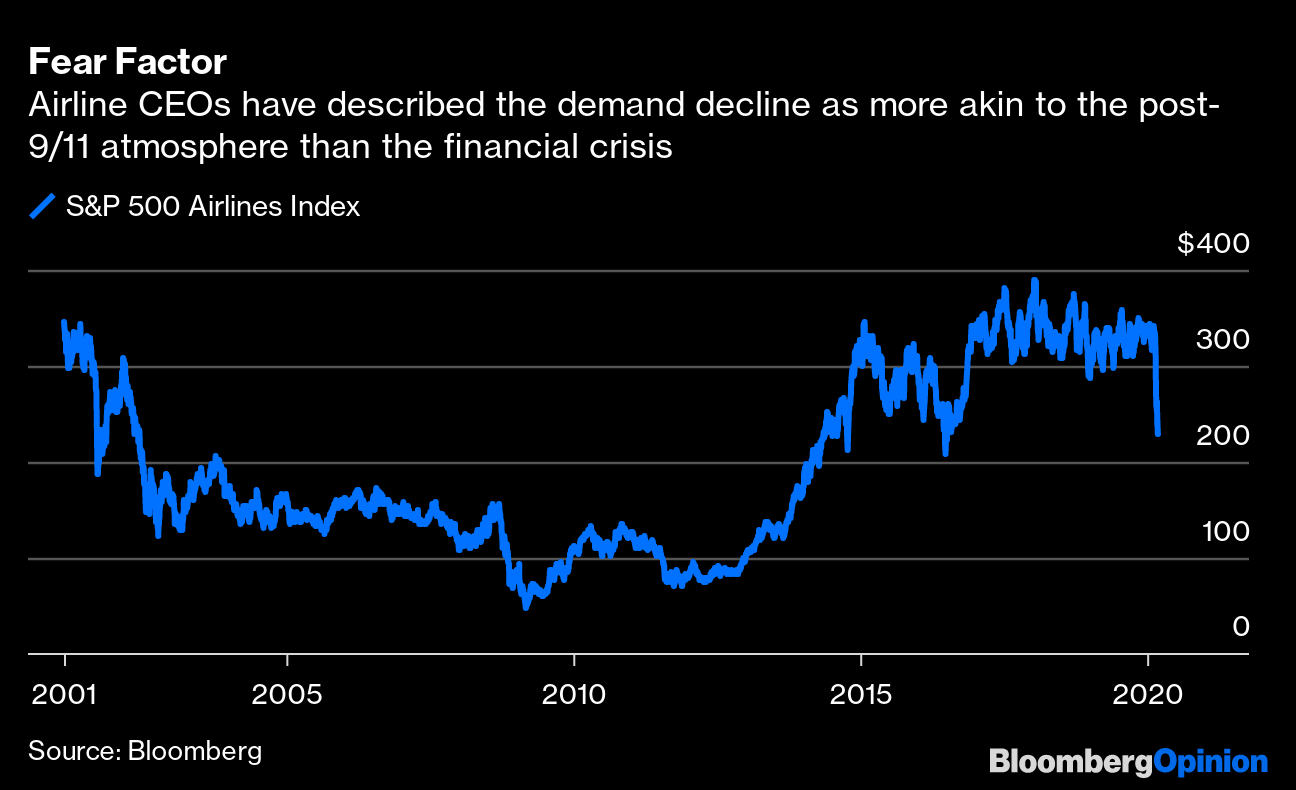
| A coronavirus recession will be tricky to fight Posted: 10 Mar 2020 01:57 PM PDT
  | ||||||||||||||||||||||||||||||||||||||||||||||||||||||||||||||||||||||||||||||||||||||||||||||||||||||||||||||||||||||||||||||||||||||||||||||||||||||||||||||||||||||||||||||||||||||||||||||||
| BREAKING NEWS: House leaders strike deal to renew surveillance law Posted: 10 Mar 2020 01:56 PM PDT House leaders have struck a bipartisan deal to renew a set of expiring surveillance tools — giving a huge boost to efforts to extend the law five days before the deadline. Senior aides for Speaker Nancy Pelosi (D-Calif.) and House Minority Leader Kevin McCarthy (R-Calif.) have been negotiating after it became clear that committee leaders in both parties weren't going to come together on a proposal to reauthorize the Federal Intelligence Surveillance Act head of the March 15 expiration date. But the Senate was not involved in the House negotiations, leaving the fate of the law unresolved. Read more: https://www.politico.com/news/2020/03/10/house-leaders-strike-deal-to-renew-surveillance-law-125164 To change your alert settings, please go to https://secure.politico.com/newsletter-settings This email was sent to kamal.sahim5.news@blogger.com by: POLITICO, LLC 1000 Wilson Blvd. Arlington, VA, 22209, USA  Please click here and follow the steps to unsubscribe.  | ||||||||||||||||||||||||||||||||||||||||||||||||||||||||||||||||||||||||||||||||||||||||||||||||||||||||||||||||||||||||||||||||||||||||||||||||||||||||||||||||||||||||||||||||||||||||||||||||
| BREAKING NEWS: Sanders cancels evening event due to coronavirus fears Posted: 10 Mar 2020 01:19 PM PDT Bernie Sanders has canceled his evening rally in Cleveland "out of concern for public health and safety," his campaign said. The move represents the first example of a presidential campaign explicitly canceling an event because of the coronavirus outbreak. To change your alert settings, please go to https://secure.politico.com/newsletter-settings This email was sent to kamal.sahim5.news@blogger.com by: POLITICO, LLC 1000 Wilson Blvd. Arlington, VA, 22209, USA  Please click here and follow the steps to unsubscribe.  | ||||||||||||||||||||||||||||||||||||||||||||||||||||||||||||||||||||||||||||||||||||||||||||||||||||||||||||||||||||||||||||||||||||||||||||||||||||||||||||||||||||||||||||||||||||||||||||||||
| Federal prosecutor kills wife and himself in apparent murder-suicide in California Posted: 10 Mar 2020 01:17 PM PDT
 | ||||||||||||||||||||||||||||||||||||||||||||||||||||||||||||||||||||||||||||||||||||||||||||||||||||||||||||||||||||||||||||||||||||||||||||||||||||||||||||||||||||||||||||||||||||||||||||||||
| It's not too late. Get one year for $29. Posted: 10 Mar 2020 10:55 AM PDT
 | ||||||||||||||||||||||||||||||||||||||||||||||||||||||||||||||||||||||||||||||||||||||||||||||||||||||||||||||||||||||||||||||||||||||||||||||||||||||||||||||||||||||||||||||||||||||||||||||||
| Municipales - J-5 : quels enjeux pour votre commune ? Posted: 10 Mar 2020 10:12 AM PDT
 | ||||||||||||||||||||||||||||||||||||||||||||||||||||||||||||||||||||||||||||||||||||||||||||||||||||||||||||||||||||||||||||||||||||||||||||||||||||||||||||||||||||||||||||||||||||||||||||||||
| BREAKING NEWS: Judges rule Democrats should get Mueller evidence Posted: 10 Mar 2020 09:28 AM PDT House Democrats scored a major legal victory as a federal appeals court panel granted them permission to access grand jury secrets from special counsel Robert Mueller's Russia probe. The 2-1 ruling from the D.C. Circuit Court of Appeals upheld a lower court decision in favor of the House's ability to see the information deleted from the public version of Mueller's final report. The Justice Department could seek review by the full bench of the appeals court or the Supreme Court. Read more: https://www.politico.com/news/2020/03/10/judges-rule-democrats-should-get-mueller-evidence-125008 To change your alert settings, please go to https://secure.politico.com/newsletter-settings This email was sent to kamal.sahim5.news@blogger.com by: POLITICO, LLC 1000 Wilson Blvd. Arlington, VA, 22209, USA  Please click here and follow the steps to unsubscribe.  | ||||||||||||||||||||||||||||||||||||||||||||||||||||||||||||||||||||||||||||||||||||||||||||||||||||||||||||||||||||||||||||||||||||||||||||||||||||||||||||||||||||||||||||||||||||||||||||||||
| NEWS ALERT: Biden gets in heated exchange over gun control: 'You're full of s---' Posted: 10 Mar 2020 09:10 AM PDT Former Vice President Joseph R. Biden got into a heated exchange Tuesday morning over the issue of the Second Amendment and gun rights at an auto plant in Michigan as voters were heading to the polls in the critical state.
 | ||||||||||||||||||||||||||||||||||||||||||||||||||||||||||||||||||||||||||||||||||||||||||||||||||||||||||||||||||||||||||||||||||||||||||||||||||||||||||||||||||||||||||||||||||||||||||||||||
| ما حقيقة إصابة ترامب بفيروس كورونا؟ Posted: 10 Mar 2020 08:59 AM PDT
 | ||||||||||||||||||||||||||||||||||||||||||||||||||||||||||||||||||||||||||||||||||||||||||||||||||||||||||||||||||||||||||||||||||||||||||||||||||||||||||||||||||||||||||||||||||||||||||||||||
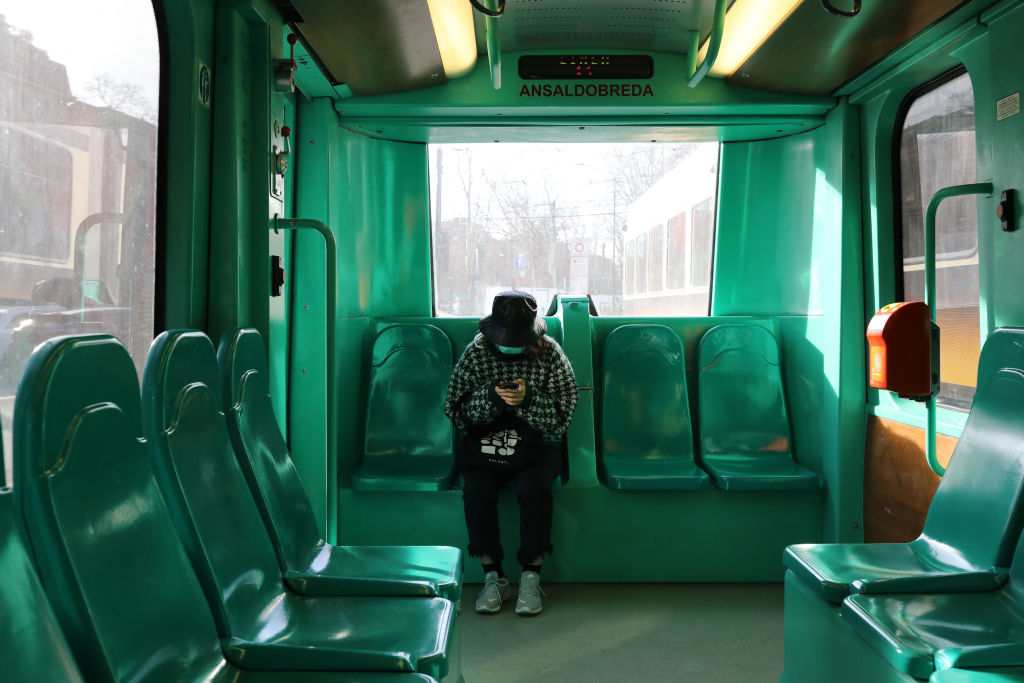
| Tuesday Morning Briefing: Streets deserted as Italy imposes unprecedented coronavirus lockdown Posted: 10 Mar 2020 06:04 AM PDT
 | ||||||||||||||||||||||||||||||||||||||||||||||||||||||||||||||||||||||||||||||||||||||||||||||||||||||||||||||||||||||||||||||||||||||||||||||||||||||||||||||||||||||||||||||||||||||||||||||||
| المغرب يعلن تسجيل أول حالة وفاة بسبب فيروس "كورونا" المستجد Posted: 10 Mar 2020 06:00 AM PDT
 | ||||||||||||||||||||||||||||||||||||||||||||||||||||||||||||||||||||||||||||||||||||||||||||||||||||||||||||||||||||||||||||||||||||||||||||||||||||||||||||||||||||||||||||||||||||||||||||||||
| Posted: 10 Mar 2020 05:46 AM PDT
 | ||||||||||||||||||||||||||||||||||||||||||||||||||||||||||||||||||||||||||||||||||||||||||||||||||||||||||||||||||||||||||||||||||||||||||||||||||||||||||||||||||||||||||||||||||||||||||||||||
| Posted: 10 Mar 2020 05:24 AM PDT
 | ||||||||||||||||||||||||||||||||||||||||||||||||||||||||||||||||||||||||||||||||||||||||||||||||||||||||||||||||||||||||||||||||||||||||||||||||||||||||||||||||||||||||||||||||||||||||||||||||
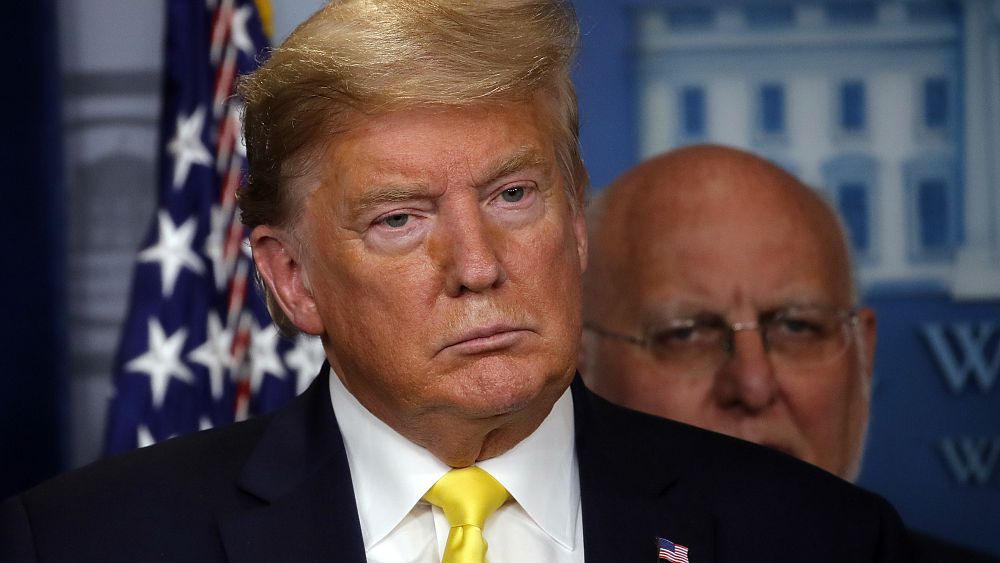
| Trump vows 'major' steps to aid U.S. economy amid coronavirus rise Posted: 10 Mar 2020 05:04 AM PDT
 | ||||||||||||||||||||||||||||||||||||||||||||||||||||||||||||||||||||||||||||||||||||||||||||||||||||||||||||||||||||||||||||||||||||||||||||||||||||||||||||||||||||||||||||||||||||||||||||||||
| How To Entirely Empty Your Bowels Every Morning - Top Surgeon Explains How Posted: 10 Mar 2020 05:02 AM PDT  The following is a message from one of our advertisers. This message does not represent the opinion of The Washington Times. We've been told our whole lives to eat certain fruits, vegetables, and whole grains to stay in good health. However, according to Dr. Steven Gundry — a world-renowned heart surgeon — many so called "health foods" in the American diet contain a dangerous toxin, that could be expanding your waistline. "This toxin causes micro-tears to form in your fragile intestinal-wall — allowing bacteria and waste products to seep into your body." Says Dr. Gundry. This harmful condition is best known as "leaky gut," and it's affecting millions of people nationwide. Warning signs include weight gain, fatigue, digestive discomfort, stiff, achy joints, and even skin problems. Dr. Gundry explains, "These side effects are often mistaken for normal signs of aging, because leaky gut usually develops over a matter of years, and sometimes even decades. But I can assure you, the damage caused by these so called "health foods" is far from normal." The good news is, this problem can be easily fixed from your own home. "It's very simple, you just have to know which foods are actually healthy, and which contain this hidden toxin," he goes on to explain. By simply eliminating this harmful toxin, Dr. Gundry has seen thousands of his own patients make swift recoveries. (In fact, he even lost 70lbs himself!) Now, after years of research, Dr. Gundry has decided to release an informative video to the public — free and uninterrupted — showcasing exactly which foods you need to avoid. "Good health is one of life's toughest obstacles," he explains. "So, if this video can help people achieve that, I'll be thrilled to hear I was of help." The video has since gone viral, first being shared by users on Facebook, then being featured on news sites like ABC and CBS. So far, the comments and feedback have been outstanding, with thousands of Americans feeling better than they have in decades. Click here to watch the presentation: Dr. Gundry also serves as the personal physician to many A-list celebrities. Most notable of which include legendary self-help guru Tony Robbins, Oscar award winning actor Alan Arkin, Grammy award winning singer Usher, and countless fortune 500 executives. Now, there is one thing Dr. Gundry asks from his viewers: "If watching this helps you take control of your weight back, fight unwanted cravings, increase your energy, ease gas and bloating, or find relief from stiff, achy joints," Dr. Gundry says... "Then please share this video with your friends and loved ones. Together, we can help as many people avoid these health issues as possible." Click here to watch the presentation If you don't want to receive these emails, unsubscribe.   | ||||||||||||||||||||||||||||||||||||||||||||||||||||||||||||||||||||||||||||||||||||||||||||||||||||||||||||||||||||||||||||||||||||||||||||||||||||||||||||||||||||||||||||||||||||||||||||||||
















| You are subscribed to email updates from Maroc Top Trend. To stop receiving these emails, you may unsubscribe now. | Email delivery powered by Google |
| Google, 1600 Amphitheatre Parkway, Mountain View, CA 94043, United States | |

No comments:
Post a Comment